Kids BJJ vs Other Martial Arts: The Honest 2026 Comparison
Every parent researching martial arts for their kid faces an uncomfortable fact: every martial art's website says its art is the best for kids. Karate says karate. Taekwondo says taekwondo. Judo says judo. Most of these claims are marketing. Some are grounded in real differences. The honest answer to "which martial art is best for my child" depends on what you actually want and which child you have.
I run a Brazilian Jiu-Jitsu academy, so I have an obvious bias. But I've also cross-trained in other arts, my own kids have tried multiple, and I have enormous respect for coaches across disciplines. This is my honest, bias-acknowledged comparison — six major martial arts for kids, with the strengths and weaknesses of each.
The six arts
- Brazilian Jiu-Jitsu (BJJ) — grappling and ground control
- Karate — striking and forms (traditional Japanese)
- Taekwondo — striking with heavy kick emphasis (Korean)
- Muay Thai — striking including elbows and knees (Thai)
- Wrestling — grappling with emphasis on takedowns and positional control (Western)
- Judo — throwing-focused grappling (Japanese)
Criteria that matter for kids
Not all criteria are equally important. Ranked by what parents actually care about:
- Safety (low injury rate)
- Confidence and emotional development
- Bullying prevention / practical self-defense
- Discipline and focus
- Physical conditioning
- Cultural/traditional values
- Competition opportunities (if desired)
- Enjoyment and retention
Head-to-head by criterion
Safety
- BJJ: Lowest injury rate of the six. No strikes means no impact injuries, no concussions, and very low risk of serious harm.
- Judo: Generally safe but throws do produce occasional impact injuries, especially on stiff mats.
- Wrestling: Moderate. Takedown-heavy practice produces bumps, bruises, and occasional joint issues.
- Karate: Varies wildly by school. Traditional karate with light contact is safe. Full-contact karate produces impact injuries.
- Taekwondo: Moderate risk. Kick-heavy sparring produces bruises and occasional serious injuries from head kicks.
- Muay Thai: Highest injury risk for kids of the six. Not recommended below age 12.
Winner for safety: BJJ, with Judo a close second.
Confidence and emotional development
All six build confidence. The question is what kind.
- BJJ: Builds confidence specifically in close-range physical situations. Kids learn to stay calm when pressed, to solve problems rather than panic.
- Karate: Builds confidence through forms mastery and ritual. Kids learn to perform under observation.
- Taekwondo: Similar to Karate — performance-based confidence through forms and demonstrations.
- Muay Thai: Builds confidence through conditioning and gradual contact exposure. Tends to produce a more athletic, less ceremonial confidence.
- Wrestling: Builds confidence through physical competition and tolerance for failure. Elite wrestling mentality is famously tough.
- Judo: Similar profile to BJJ — physical confidence from close contact and throwing.
Winner depends on your child. BJJ and Judo for physically-anxious kids. Karate for kids who do well with ritual. Wrestling for kids who handle competition well.
Bullying prevention and self-defense
- BJJ: Best practical self-defense for typical kid-on-kid physical altercations, which almost always involve grabbing, pushing, and pinning.
- Judo: Excellent — strong throws and groundwork directly apply to physical bullying scenarios.
- Wrestling: Excellent in close-range physical scenarios, with strong takedowns and control.
- Muay Thai: Strong for older kids but teaches striking responses that may escalate rather than de-escalate school situations. Not recommended as a bullying response.
- Karate: Varies. Traditional karate with emphasis on awareness and distance management is helpful. Tournament karate focused on points is less applicable.
- Taekwondo: Similar concern to Karate — kick-heavy response isn't well-suited to bullying scenarios that happen at close range.
Winner: BJJ, with Wrestling and Judo close behind.
Discipline and focus
All six arts teach discipline. Different structures teach different kinds.
- Karate/Taekwondo: Most formal. Bowing, stances, ritual. Best for kids who respond to ceremony.
- Judo: Traditional Japanese structure. Highly disciplined, respectful environment.
- BJJ: Slightly less formal than Karate/Judo, but structured. Emphasizes "quiet" discipline — showing up, tapping when needed, respecting training partners.
- Wrestling: Team-based discipline. Strong work ethic culture. Less ceremonial.
- Muay Thai: Varies by gym. Traditional Thai gyms are highly disciplined; modern fitness-focused gyms less so.
Winner: Depends on the child and the specific academy more than the art.
Physical conditioning
- Muay Thai: Best overall conditioning. Serious striking classes are brutal workouts.
- BJJ: Excellent for grip strength, core, flexibility. Moderate cardio.
- Wrestling: Elite cardio and functional strength. Demanding.
- Judo: Great full-body conditioning from throws and groundwork.
- Taekwondo: Strong for flexibility and explosive kicking power.
- Karate: Moderate conditioning. Varies significantly by school.
Winner: Muay Thai and Wrestling tied for conditioning. BJJ close behind.
Enjoyment and retention for kids
This one is huge and often ignored. A martial art your kid quits after three months doesn't deliver benefits.
- BJJ: High retention. Kids love the problem-solving, sparring, and progression. Often described as "human chess for kids."
- Wrestling: High retention in team environments. Lower in individual-focused programs.
- Muay Thai: Mixed. Kids who enjoy hitting things love it. Others find it exhausting and repetitive.
- Karate/Taekwondo: Historically high retention, especially in programs with frequent belt progressions.
- Judo: Lower retention among U.S. kids — fewer programs, less mainstream visibility.
Winner: BJJ and Karate tied for kid retention in the U.S. market.
The "which is best" question, answered honestly
There's no universal winner. Here's a prescription by child profile:
- Physically anxious or bullied kid: BJJ. The close-contact comfort and positional control directly address the scenarios that scare them.
- Kid who loves structure, ritual, and ceremony: Karate or Taekwondo. The formality provides comfort; the visible belt progression motivates.
- Kid with a lot of energy who needs to run and hit: Muay Thai (age 10+) or Wrestling. Physical outlets that exhaust them productively.
- Kid who thinks constantly and loves games: BJJ or Judo. The strategic depth engages their mind.
- Kid who wants team experience: Wrestling. The only option of the six that's strongly team-based.
- Kid who hates losing visibly: Karate. The forms-focused early years let them build confidence before sparring exposure.
What BJJ gives that others can't
Putting honest bias aside, here are three things BJJ distinctly offers:
- Close-range physical comfort. No other martial art trains kids to be as comfortable in physical contact as BJJ. For anxious or bullied kids, this is transformative.
- Loss tolerance. Kids in BJJ lose constantly — they get tapped, they lose positions, they fail escapes. The frequency of small failures builds genuine resilience more than most arts.
- No-strike framework. For parents worried about their kid learning to hit, BJJ is the only major martial art that teaches control without teaching striking.
What other arts give that BJJ doesn't
In the interest of honest assessment:
- Striking skills. BJJ does not teach punching or kicking. For kids who specifically want to learn striking, Karate, Taekwondo, or Muay Thai are better choices.
- Tradition and philosophy. Karate, Judo, and Taekwondo carry centuries of codified philosophy. BJJ's philosophy is more implicit, emerging from training culture rather than explicit teachings.
- Physical posture and line. Karate and Taekwondo develop upright posture and movement quality in ways BJJ doesn't prioritize.
- Team/group dynamic. Wrestling builds team bonds BJJ rarely produces.
Can your kid do more than one?
Yes, and often it's a good idea. Common combinations that work:
- BJJ + Muay Thai: The classic MMA-adjacent combo. Grappling + striking = complete skill set. Best for kids 10+.
- BJJ + Karate/Taekwondo: BJJ for close range, striking art for distance. Works well for younger kids.
- Wrestling + BJJ: Very strong combination, though schedule conflicts common if both are taken seriously.
- Judo + BJJ: Traditional pairing. Judo throws + BJJ ground game = full grappling art.
What doesn't work well: three simultaneous martial arts, overlapping schedules, or splitting attention before mastering fundamentals in one.
Our position, in one paragraph
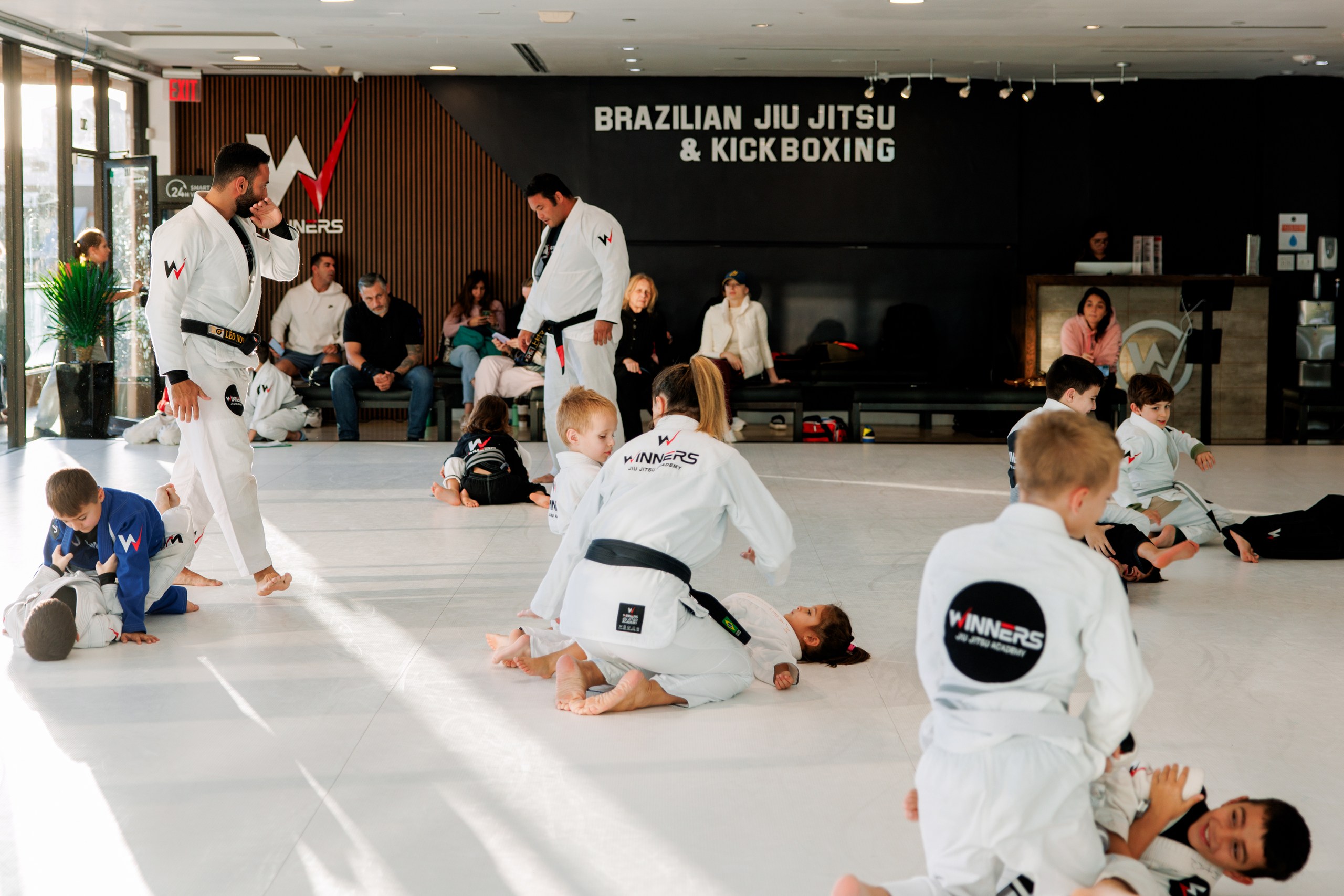
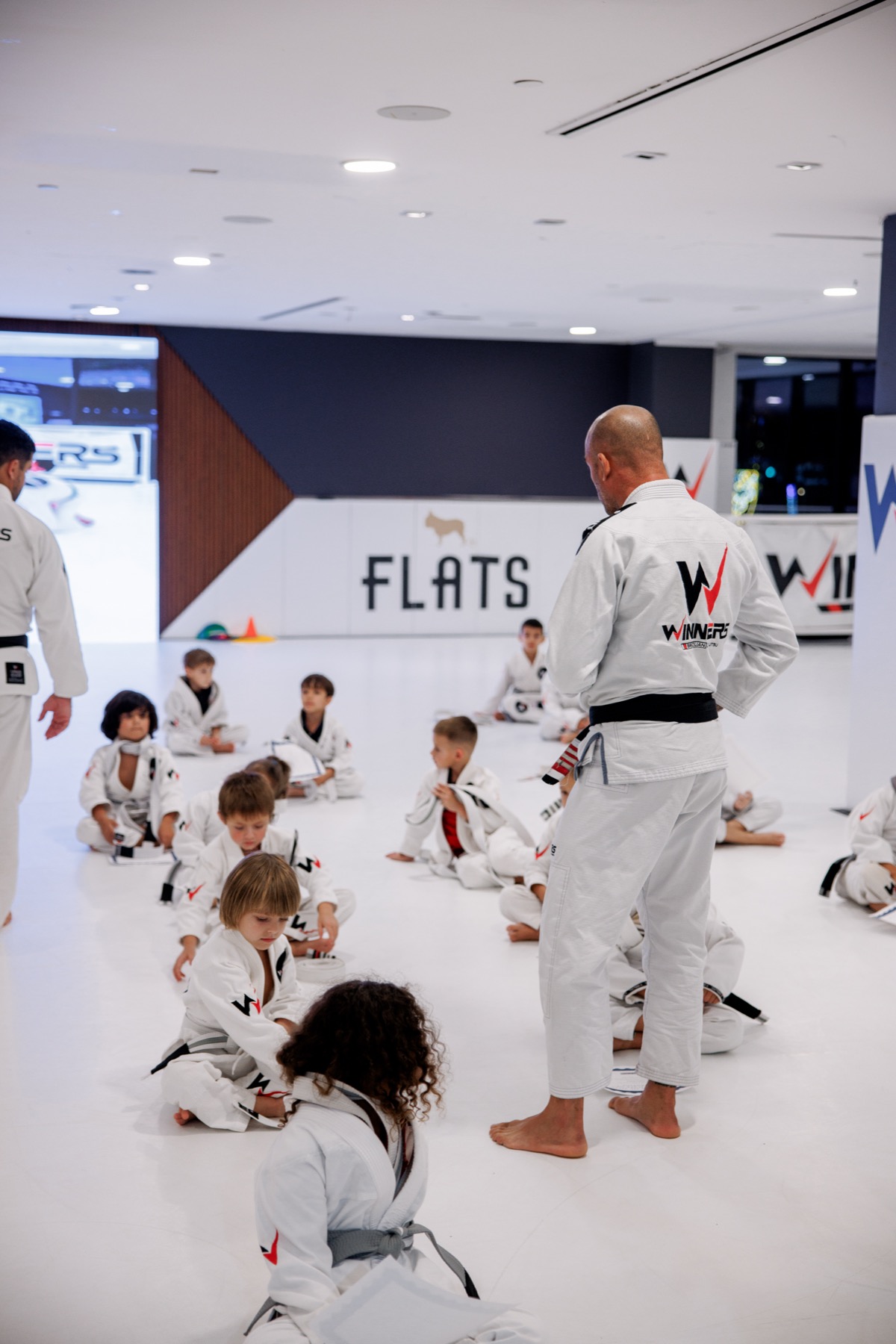
At Winners Jiu-Jitsu Academy, we teach BJJ because we believe it's the best single martial art for most kids — specifically for safety, bullying prevention, confidence, and long-term retention. We also have an enormous respect for the other arts. Several of our students cross-train in Karate, Taekwondo, or wrestling. Good coaches across arts share a commitment to kids' development over quick belts or aesthetics — and that commitment matters more than which specific art you choose.
If BJJ sounds like the right fit, your child's first class is free. If you're still torn between arts, visit three academies across three disciplines and watch a full class at each. Your kid's body language will tell you which one is right for them.