Why Brazilian Jiu-Jitsu Became Miami's Defining Martial Art
Miami is arguably the most Brazilian Jiu-Jitsu–dense city in the United States. More academies per capita than Los Angeles, more black belts per square mile than New York, more world champions passing through for seminars than almost anywhere else except perhaps Rio de Janeiro itself. If you're learning BJJ in Miami, you're learning it in the epicenter.
How did that happen? The answer isn't random — there are specific historical and cultural reasons BJJ took root here and grew in a way it hasn't anywhere else in the country. Understanding them helps explain both why Miami BJJ is as good as it is and why the art continues to grow here long after it has leveled off in other markets.
1990s: the Brazilian diaspora begins
Miami's relationship with Brazil predates BJJ itself. Throughout the 1980s and 1990s, Brazilian immigration to South Florida accelerated for economic, political, and geographic reasons. By 1995, Miami had one of the largest Brazilian populations of any U.S. city. Neighborhoods like Pompano Beach, Deerfield Beach, and parts of North Miami developed Brazilian-language businesses, churches, and schools.
This diaspora brought BJJ with it almost by accident. At the time, BJJ in the U.S. was essentially unknown outside of a small group of Gracie family students in Southern California. The Brazilian families settling in Miami included professional instructors, competitive practitioners, and casual hobbyists — most of whom had trained in some form of jiu-jitsu their entire lives. As the community grew, informal classes started appearing in warehouses, garages, and shared martial arts spaces.
1993-2000: UFC changes everything
In November 1993, the first Ultimate Fighting Championship took place in Denver. Royce Gracie, a 6'1" 176-pound practitioner of Gracie Jiu-Jitsu, defeated dramatically larger opponents by applying grappling techniques most American viewers had never seen. He won UFC 1, UFC 2, and UFC 4 using essentially the same approach.
For the Brazilian community in Miami, this was validation of something they already knew. For the rest of South Florida, it was a revelation. Within two years, the first wave of dedicated BJJ academies opened in Miami, with most founded by Brazilians who had been teaching informally for years.
Three factors turned Miami into BJJ's earliest and strongest U.S. market outside California:
- Pre-existing Brazilian instructor supply. Most cities had zero qualified BJJ coaches in the mid-90s. Miami had dozens.
- Cultural openness. Miami's demographic mix — Brazilian, Cuban, Colombian, Argentine — created a receptive audience for a Latin-American-rooted martial art.
- Climate compatibility. BJJ is an indoor sport with minimal equipment needs. In a city without reliable winter, year-round training became natural.
2000s: the MMA boom and the academy wave
As mixed martial arts grew into a mainstream American sport through the early 2000s, demand for grappling instruction exploded nationwide. In most U.S. cities, this meant wrestling coaches and former collegiate athletes adding BJJ to gyms through a slow process of self-education.
In Miami, it meant something different. The city already had instructors. What it needed was infrastructure — real academies, dedicated mat space, structured curricula. Between 2003 and 2010, the number of full-time BJJ academies in South Florida roughly quadrupled. Brazilian instructors who had been teaching informally opened formal schools. Gracie-lineage academies established Miami branches. Competition academies built training camps around IBJJF tournament prep.
By 2010, Miami had become one of the three U.S. cities (along with Los Angeles and Rio-by-proxy Orlando) where serious BJJ students traveled specifically to train.
2010s: competition culture and coaching depth
The 2010s cemented Miami as a destination for competitive BJJ. Pan American Championships held regularly in South Florida produced a pipeline of competitive training camps. Brazilian athletes competing in IBJJF events began relocating to Miami because the training quality and climate were better than they could find in Brazil or Europe.
The result: by 2015, you could train at a Miami academy and spar with current Pan Ams medalists, World Championship competitors, and sometimes actual world champions. That level of training-partner quality doesn't exist in most U.S. markets outside California — and it cross-pollinates to recreational students. The average Miami blue belt trains against stronger opposition than the average blue belt in most other states.
2020s: why it keeps growing
BJJ has started to level off in many U.S. markets. Membership growth in some Midwest and Mountain West cities has slowed, academies have closed, and the pandemic-era boom has given way to consolidation.
In Miami, the growth continues. Four reasons:
1. Continued Brazilian immigration
The 2020s have seen renewed Brazilian migration to South Florida, particularly to Miami's western and northern suburbs. Each wave of immigrants includes practitioners and instructors who either train at existing academies or open new ones. The supply side of coaching keeps replenishing.
2. Population growth overall
Miami-Dade and Broward counties gained over 200,000 residents between 2020 and 2024. That growth brings new potential students, new families looking for kids activities, and new adults seeking fitness community.
3. Climate as an asset
As hybrid and remote work has spread, more people choose where they live based on lifestyle. Miami's year-round training climate, outdoor-friendly culture, and established BJJ community make it a natural destination for practitioners relocating from harsher climates.
4. A second-generation BJJ wave
Parents who started training BJJ in the late 2000s and early 2010s are now enrolling their kids. Miami has a 15-year head start on most U.S. cities in producing a "second-generation BJJ" demographic — kids whose parents trained, who grew up around academies, and who see BJJ as a normal part of childhood rather than an unusual choice.
What it means for students
Training BJJ in Miami gives you practical advantages you'd have to travel to access elsewhere:
- Instructor depth. Most decent-sized Miami academies have multiple black belts on staff. In many U.S. cities, academies have one.
- Training partner quality. Rolling against current and former competitors is available at most serious Miami academies. That level of sparring accelerates progression substantially.
- Seminar access. World-class practitioners pass through Miami regularly for seminars, camps, and training visits. Students in Miami can attend events that would cost out-of-state students flights and hotels.
- Lineage diversity. Gracie Barra, Alliance, Atos, Carlson Gracie, Nova União, Checkmat, and independent black belts all have strong Miami presence. You can study under essentially any major BJJ lineage without leaving the city.
The challenges
The density of BJJ in Miami also creates real challenges:
- Choice paralysis. With dozens of academies in a 30-mile radius, choosing the right one is genuinely difficult. Our guide to choosing an academy in Miami addresses this specifically.
- Price premium. Miami BJJ tends to run slightly more expensive than similar instruction in smaller markets, reflecting both real estate costs and demand.
- Traffic as a hidden variable. The right academy at the wrong commute distance is the wrong academy. Miami traffic destroys more BJJ careers than any other single factor.
Winners Academy's place in this history
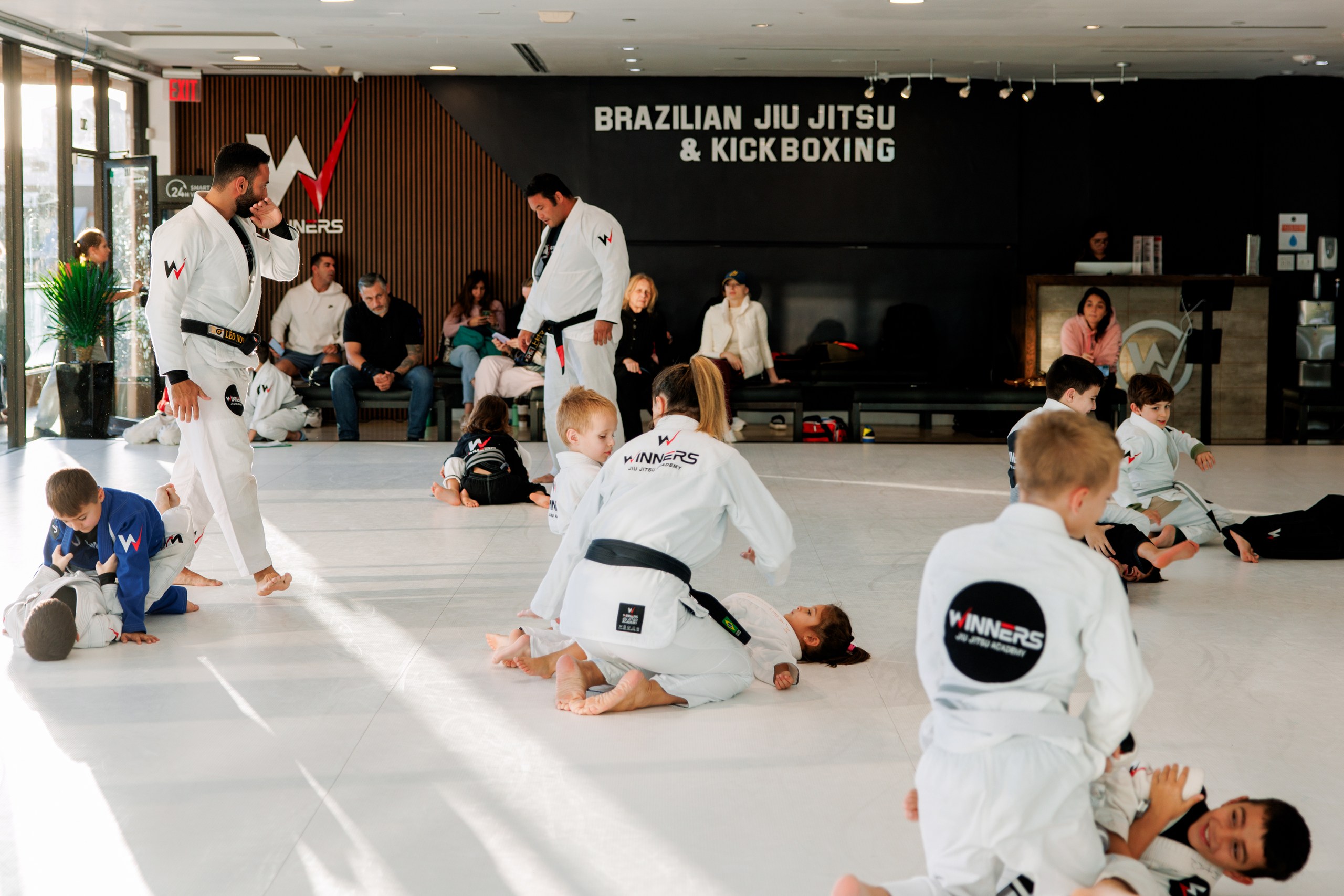
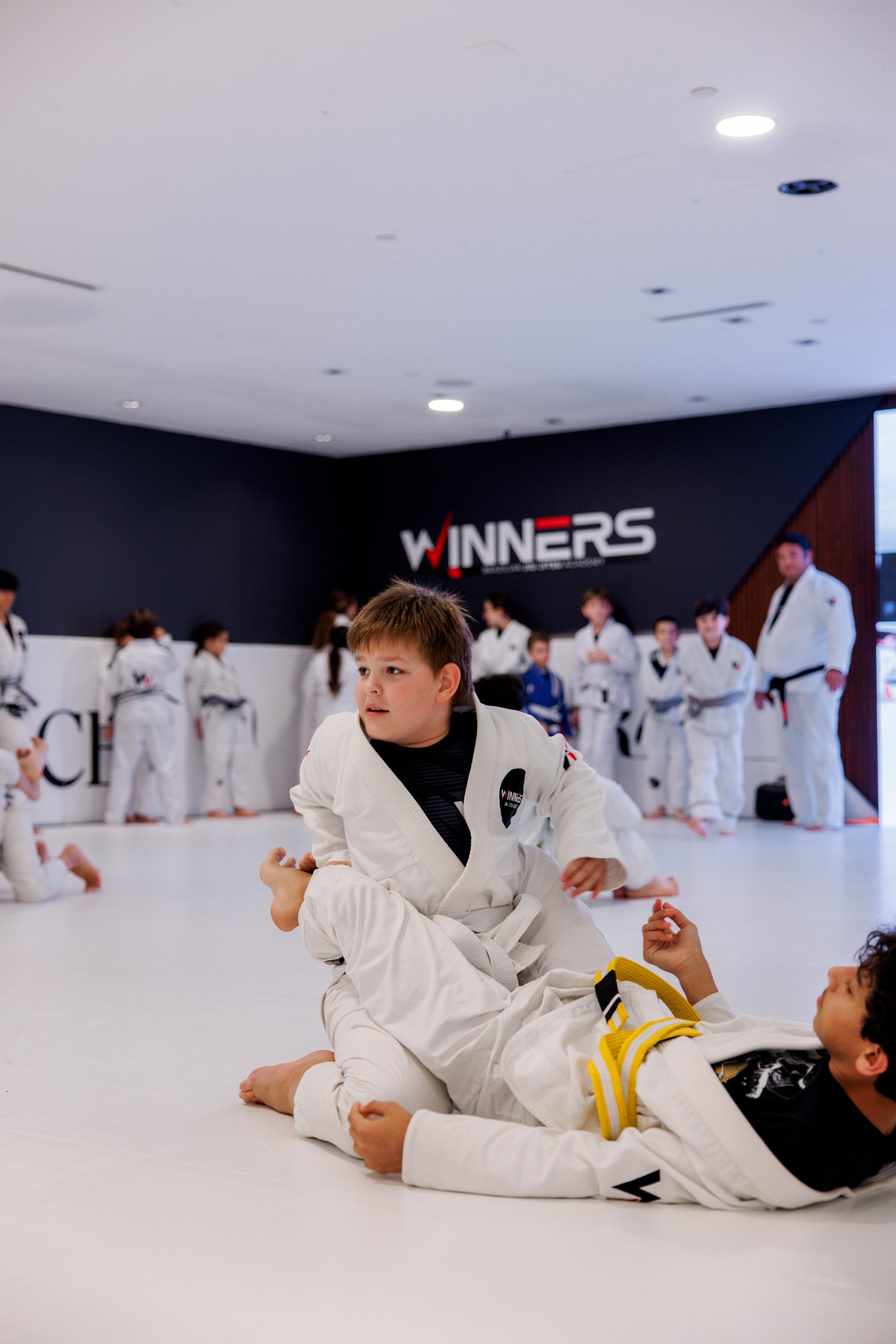
Winners Jiu-Jitsu Academy was founded in 2012 in Sunny Isles Beach by head coach Jonatas Gurgel — 2x World Cup Champion, 3x Pan American Champion, 4x Brazilian National Champion, and a professional MMA fighter. The academy was part of the second major wave of Miami academies that opened as the art moved from niche community to mainstream.
Thirteen years later, we're still at the same Collins Avenue location, with many original students still training, and a second generation of kids now on the mat. That longevity — being at the same address, teaching the same curriculum, with the same head coach for 13+ years — is one of the quiet signals of a functioning BJJ academy. Miami churn is real; institutions that survive it tend to do so for good reasons.
If you're exploring BJJ in Miami, your first class is free at Winners. Come see what 13 years of Miami BJJ culture looks like in one academy — and understand why training here is different from training it almost anywhere else.