Gi vs No-Gi Jiu-Jitsu: Which Should You Start With?
Every new BJJ student eventually faces the question: Gi or No-Gi? The two styles represent a real philosophical split in the sport, and the answer you get depends on who you ask. YouTube creators, Gordon Ryan-era influencers, and modern sub-only tournament scenes have pushed many students toward starting with No-Gi. Traditionalists — and most academies with roots in Brazilian lineage — still recommend Gi for beginners.
Both camps have valid points. Here's an honest breakdown from a coach who teaches both: when each is right, when each is wrong, and why the default recommendation of "start with Gi" still holds for most new students in 2026.
The core difference
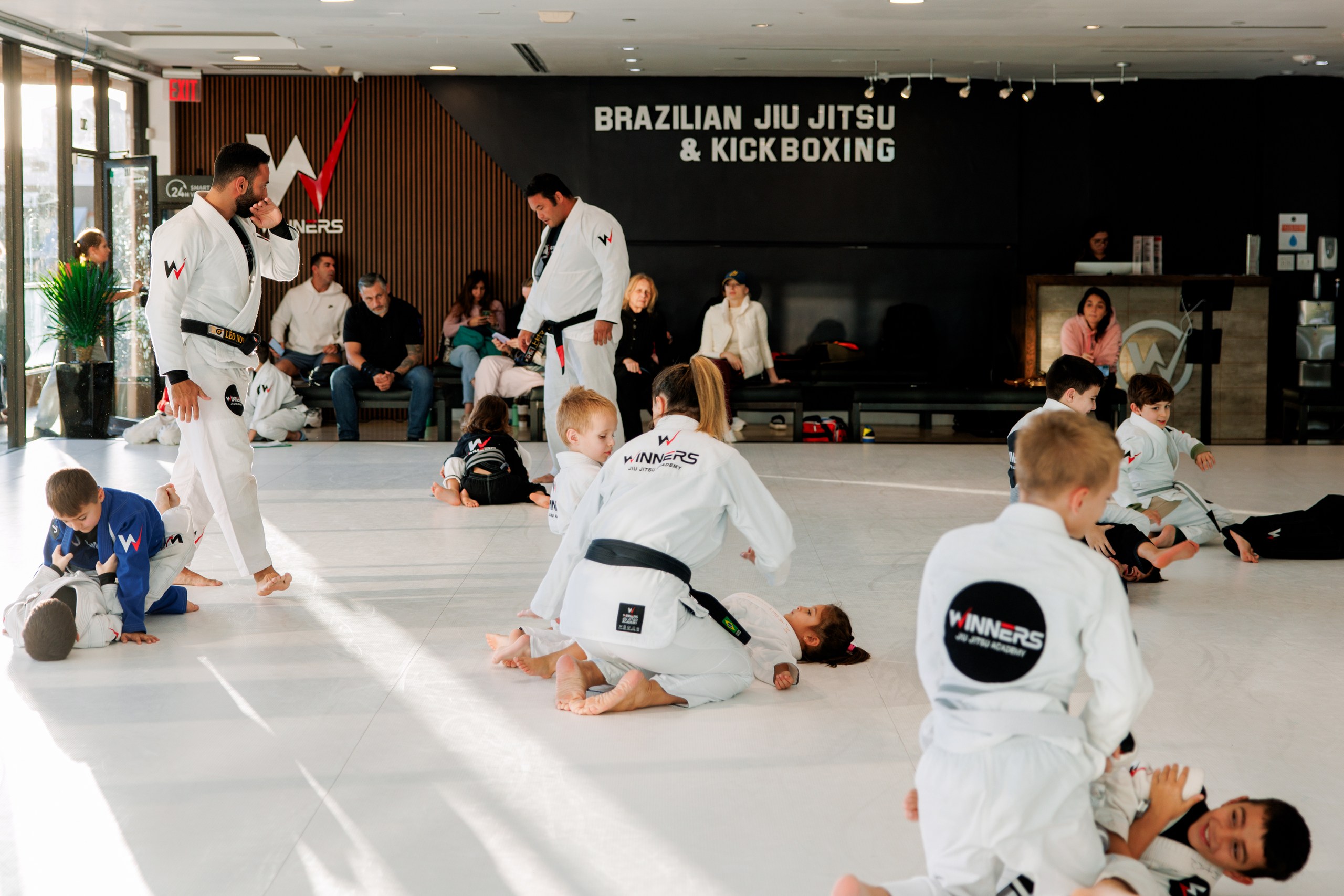
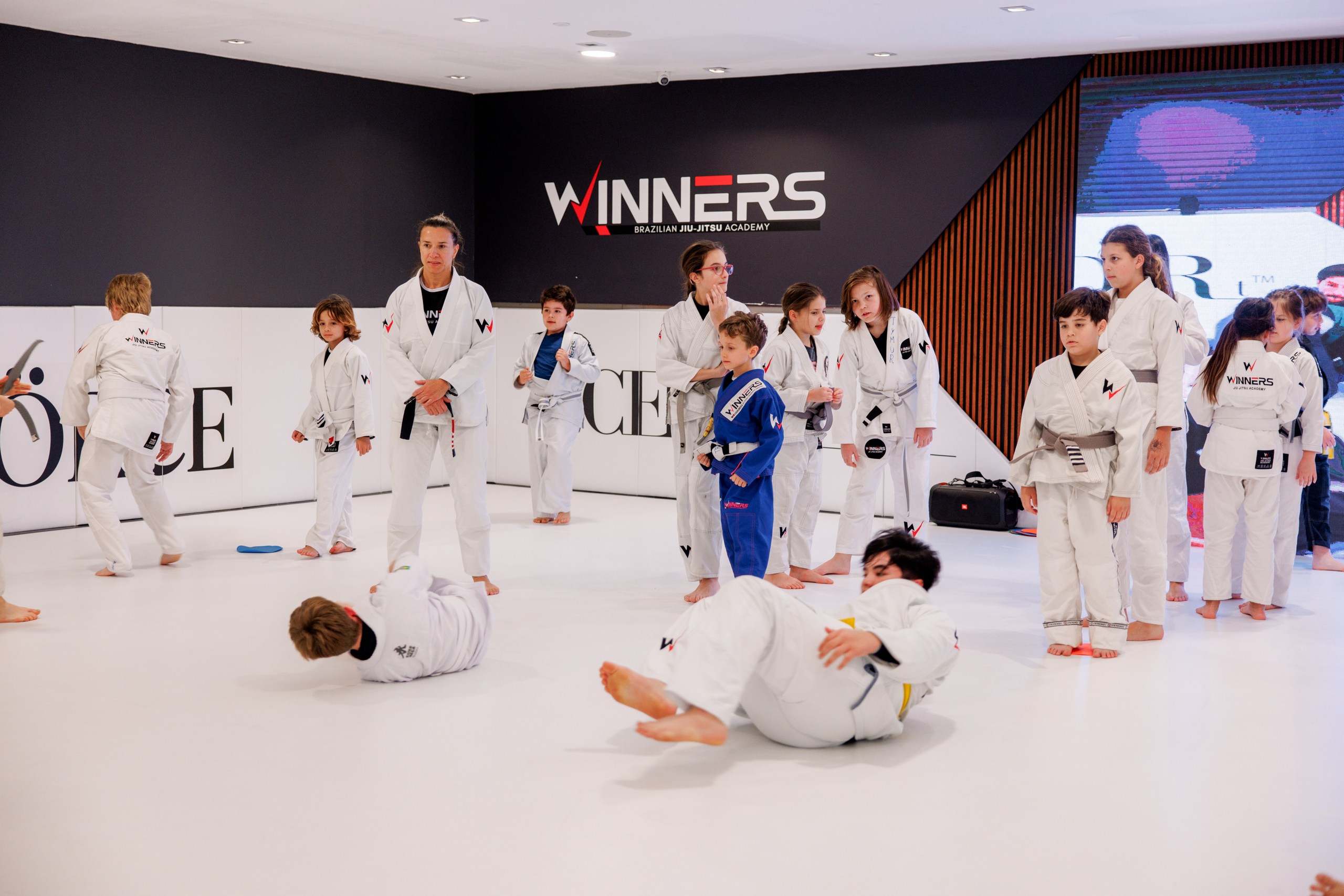
Gi is the traditional BJJ uniform — heavy cotton jacket, pants, and colored belt. In training, Gi practitioners grip each other's collars, sleeves, and pants. Those grips allow for a huge range of controls, sweeps, and submissions that aren't available without them.
No-Gi is training in shorts and a rash guard (tight athletic shirt). There are no grips on clothing. Control is maintained through underhooks, overhooks, wrist grips, head control, and direct body contact. The pace is faster; the game is more athletic; positions change more quickly.
These are not "the same sport with different clothes." They are related sports with substantially different technical games. A Gi black belt who has never trained No-Gi will struggle in their first No-Gi class — and vice versa.
Why the default recommendation is "start with Gi"
Four reasons, each meaningful:
1. Gi teaches position before athleticism
Because grips slow everything down, Gi training emphasizes positional control. You learn where to be, how to stay there, and when to move. Athleticism still matters in Gi, but it matters less — a technical 150-pound blue belt can beat an untrained 220-pound athlete in Gi far more reliably than in No-Gi.
For beginners, this is enormously valuable. You learn the structure of the game before you're forced to rely on speed and strength. That foundation transfers directly to No-Gi whenever you decide to train it.
2. Gi has fewer injury scenarios
Slower pace and better control mean fewer scrambles, fewer awkward positions, and fewer sudden impacts. No-Gi has its own safety profile (no grip-related wrist and finger injuries, no gi burn), but on balance Gi is gentler on beginners who haven't learned to protect themselves yet.
3. Gi is what IBJJF (and most tournaments) test
The International Brazilian Jiu-Jitsu Federation — the dominant sanctioning body — runs its main events in Gi. Pan American Championships, World Championships, and most local tournaments have Gi divisions. If competition might ever interest you, Gi is the larger ecosystem.
No-Gi competition exists and is growing (ADCC, EBI, Polaris, sub-only events), but the Gi circuit is still substantially larger, especially at amateur/kids/master divisions.
4. Gi and No-Gi transfer one direction better than the other
Gi-first students generally find the transition to No-Gi smoother than No-Gi-first students find the transition to Gi. The positional discipline built in Gi applies fully to No-Gi; the athleticism emphasis built in No-Gi doesn't fully prepare you for the technical depth Gi demands.
Most of the best No-Gi competitors in the world, including world-level practitioners, came up in Gi.
When No-Gi makes more sense to start with
That said, there are real exceptions. Start with No-Gi if:
- You're training for MMA. MMA happens without gis. No-Gi transfers more directly. Gi grips create bad habits for MMA (relying on fabric you don't have in a fight).
- You have a wrestling background. No-Gi's underhook/overhook/head-control game lines up with wrestling naturally. You'll accelerate faster in No-Gi initially, and can add Gi later.
- You live in a hot climate and can't tolerate the Gi. A legitimate concern in Miami summer. Some students start No-Gi specifically because they physically can't wear a Gi in July without overheating. That's a reasonable tradeoff.
- Your academy is primarily a No-Gi program. Some modern academies — especially ones founded in the 2020s — train No-Gi dominantly. If you're at one of those academies, starting with No-Gi is the obvious move because that's what the coaches teach best.
What about "train both"?
Most serious students do, eventually. The standard progression is:
- Months 1-6: Gi only. Build fundamentals.
- Months 6-12: Add one No-Gi class per week. Feel the difference.
- Year 2+: Regular mix of both, with a primary style emerging based on personal preference and goals.
By blue belt, most students have opinions about which they prefer. Some gravitate to Gi for the strategic depth. Others prefer No-Gi for the athletic pace. Both are valid; neither is "better."
Common myths
Myth: "Gi is outdated"
You'll hear this on social media. It's wrong. The Gi game continues to evolve technically — lapel guards, worm guards, and new collar-choke systems have been invented in the last decade. Gi BJJ is not stagnating; if anything, it's more sophisticated than ever.
Myth: "No-Gi is more realistic for self-defense"
Partially true, partially not. In a pure self-defense scenario where an attacker is in a t-shirt, No-Gi mechanics apply directly. In any real-world scenario involving a jacket, hoodie, or winter clothing, Gi-style grips work identically on those garments. Most street-defense specialists actually recommend Gi training because real-world attackers usually wear grippable clothing.
Myth: "Kids should train No-Gi because they're too small for Gi"
The opposite is true. Kids benefit enormously from Gi training because it slows the game down enough for them to understand position and control. No-Gi with kids often turns into wrestling matches that skip the technical development Gi teaches. Most serious kids' BJJ programs are Gi-primary.
Practical Miami-specific note
In South Florida summer, Gi training genuinely is harder on your body because of heat retention. Many Miami academies run Gi classes in the evening specifically because the AC can't keep up during 3:00-5:00 PM on the hottest days. If you're worried about the heat, take your first class in the evening. If you absolutely cannot tolerate Gi in summer, train No-Gi year-round through the hot months and Gi during dry season (November-April).
At our academy, specifically
Winners Jiu-Jitsu Academy trains both. Our adult BJJ curriculum includes Gi as the primary format with regular No-Gi sessions. Our Kids Self-Defense program emphasizes No-Gi because the self-defense framing translates more directly to shirtless/streetwear scenarios. For competition-focused students, we build the training cycle around target tournaments — Gi-heavy for IBJJF Pan Ams, No-Gi-heavy for ADCC-style events.
If you're new to BJJ and asking "which should I start with?" — our default answer is still Gi. Your first class is free, we'll provide the Gi, and you can decide whether the experience convinces you to stay in Gi long-term or branch into No-Gi later. Most students do both eventually. Start with Gi.