Your First 30 Days of Brazilian Jiu-Jitsu: What Actually Happens
The first month of Brazilian Jiu-Jitsu is the hardest and most important. 60-70% of people who ever try BJJ quit during this window. The ones who make it through the first 30 days usually become long-term students. So what actually happens in those 30 days, and how can you stack the deck in your favor?
This is the honest, week-by-week version written by a head coach with 20+ years of teaching. Plus the specific mistakes that make the first month harder than it needs to be.
Day 1: The first class
Walk in 15 minutes early. The academy will hand you a gi or let you train in athletic clothes. The coach will probably pair you with a senior student who will walk you through what happens.
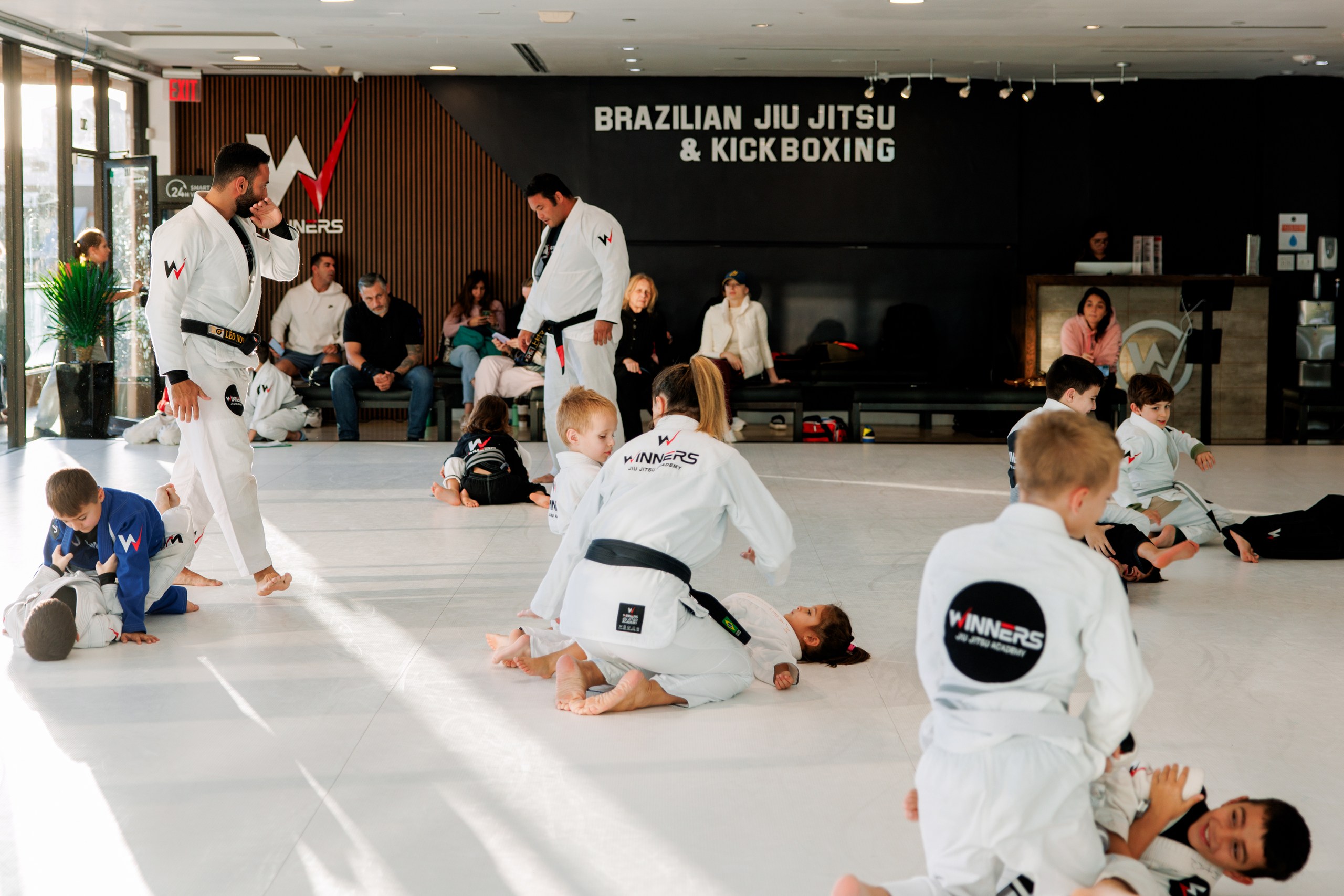
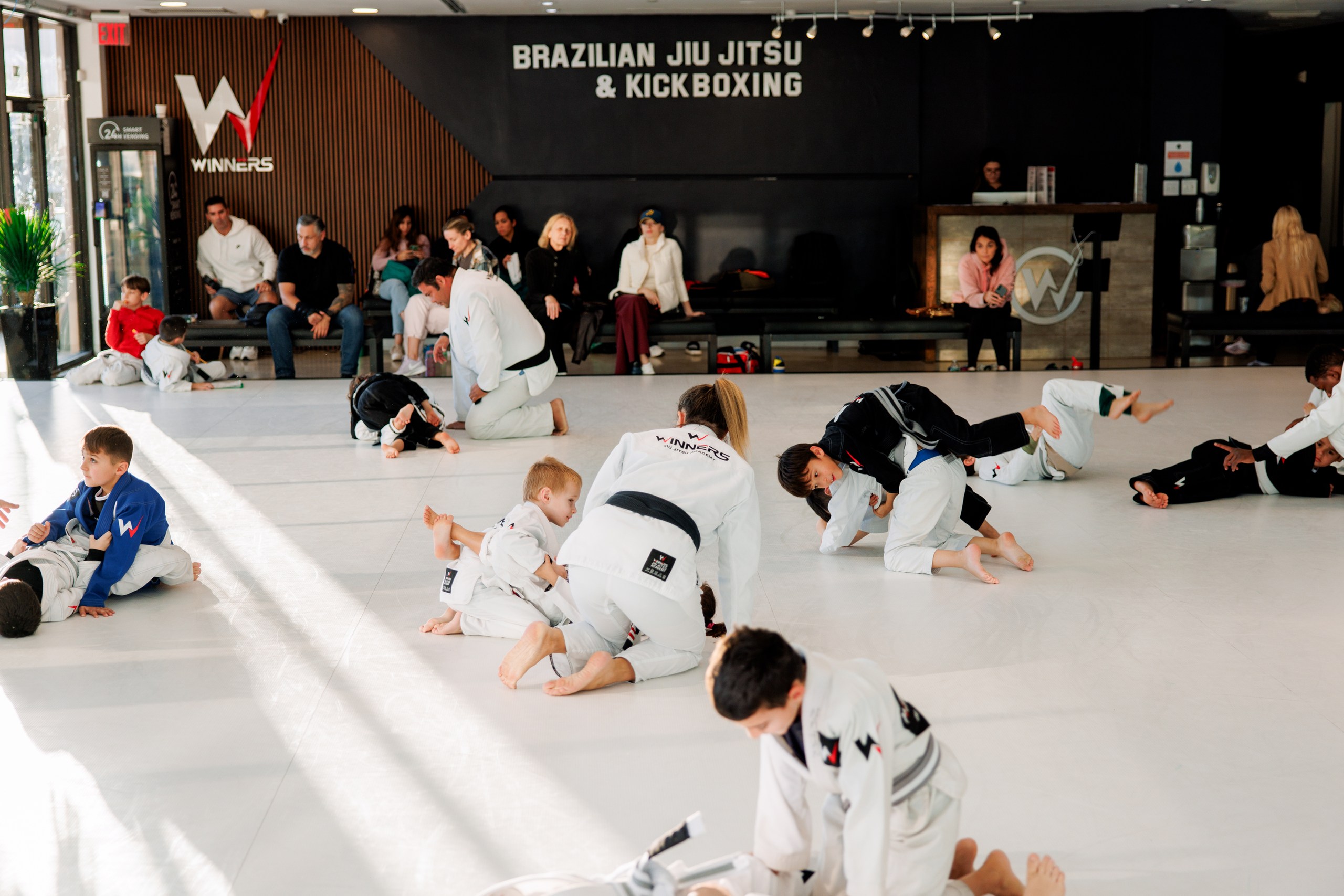
The class structure:
- Warm-up (10-15 min): solo drills. Shrimping, forward rolls, basic movements. You will feel clumsy. Everyone feels clumsy their first class.
- Technique (20-25 min): the coach demonstrates two or three techniques. You drill them slowly with a partner.
- Live rolling (15-20 min): controlled sparring between students. On day one, you probably watch. That's normal and expected.
- Line-up (5 min): bowing out, acknowledgment, pairing off for next-class partners.
By the end you will feel exhausted, mildly disoriented, and either excited or concerned. Both reactions are normal. What matters is whether you come back.
Week 1: Physical and mental overload
You will be sore in muscles you didn't know existed. Your neck, your hips, your forearms, your grip. This is because BJJ recruits stabilizing muscles that normal activities and even most gym workouts don't touch.
You will also be confused. BJJ has its own vocabulary — guard, mount, side control, sweep, pass, submission, tap — and it all gets thrown at you simultaneously. Do not try to memorize everything. In week one, your only jobs are:
- Show up
- Learn how to fall safely (breakfalls)
- Learn the names of the four main positions
- Tap when someone has you in a submission, even if you think you could escape
That's it. Don't try to win. Don't try to execute technique in live rolling. Don't worry about whether you're doing the warm-up "right." Survival and presence are the entire goal.
Week 2: Everything still feels wrong
This is where many people quit. The initial excitement has worn off, your body still hurts, and everyone else seems to magically know what they're doing while you feel lost.
Here's the secret: everyone goes through this. Every black belt you see across the room was once exactly where you are. The difference between them and the people who quit is precisely this — they came back in week two anyway.
What to focus on in week two:
- Introduce yourself to three new people. Learn their names. Their next-class faces will make the room feel less alien.
- Ask questions. Upper belts love helping new students who are genuinely curious.
- Take mental notes about one specific thing per class — where to put your hands in guard, how to sit up in shrimping, where to place your hips in side control. Pick one thing. Own it.
- Don't expect to understand live rolling yet. If you do participate, it will feel like drowning. That's correct.
Week 3: The critical moment
Something starts to click. Usually it's a single small moment — you escape a bad position, or you recognize a move being done to you before it completes, or you successfully execute a warm-up drill that confused you on day one. It might be small. It matters.
This is the moment that creates long-term students. You realize: oh, my body is actually learning this. I can do this. The dopamine hit of your first real win locks in your relationship with the mat.
Some people don't have this moment in week three — they have it in week five, or week eight. But for most students, something clicks within the first month, and that click is what keeps them coming back through the much longer, much slower progression ahead.
Common week-three "click" moments:
- Shrimping out from under a heavier partner for the first time
- Recognizing "mount" versus "side control" mid-roll
- Successfully tapping a newer student (an even newer one who started after you)
- Landing a warm-up roll without pausing to think
- A coach correcting your technique and the correction working
Week 4: Your body catches up
By the end of the first month, two things happen physically:
- Your cardio starts adapting. BJJ cardio is unique — it's interval, isometric, and nervous-system-intense. You don't build it in the gym; you build it on the mat. By day 30, you'll notice you can go harder for longer without gassing.
- Your soreness changes. The all-over feeling-like-you-got-hit-by-a-bus soreness fades into localized soreness in specific areas (usually grip, neck, and lower back). This is still discomfort, but it's manageable.
Mentally, you start to recognize patterns. You notice that the same few positions come up over and over. You start to anticipate what's happening one move ahead instead of being constantly surprised.
Mistakes that make the first 30 days harder than they need to be
Mistake #1: Trying to "win" your first rolls
If you spend live rolling using 100% of your strength to resist, you will get hurt — mostly yourself, sometimes your partner. Live rolling at white belt is about survival, not victory. Relax. Let yourself get into bad positions. Practice escaping. You will learn ten times faster.
Mistake #2: Skipping warm-ups because they feel pointless
The warm-ups ARE technique. Shrimping, bridging, forward rolls — those movements are the fundamental mechanics of almost every BJJ technique. Students who treat the warm-up seriously progress meaningfully faster than students who phone it in.
Mistake #3: Watching YouTube BJJ instructionals at home
Yes, really. At white belt, you haven't developed the body awareness to translate video instruction into actual movement — and you're likely to come into class trying moves that don't match what your coach is teaching. Stay off YouTube for the first three months. Trust your coach.
Mistake #4: Trying to train 6 days a week in week one
Enthusiasm leads to overtraining. Overtraining leads to injury. Injury leads to quitting. Start at 2-3 classes per week and hold that for the first month. You can scale up later.
Mistake #5: Buying a second gi before you've worn the first one 10 times
Some people cope with the emotional overwhelm of starting BJJ by buying gear. Resist. Wear your first gi for a month. Make sure BJJ actually sticks before investing in equipment.
Mistake #6: Asking senior students how long until you get your blue belt
Don't. The answer is 2-4 years and nobody wants to tell you that in your first month. Focus on week four, not year four.
What to eat, drink, and do between classes
- Hydration. Most first-month students are dehydrated. Drink water all day, not just post-class.
- Sleep. BJJ recovery happens at night. Seven hours minimum during the first month.
- Protein. You're rebuilding tissue in muscles you never used. Eat protein at every meal.
- Rest days between classes in month one. You don't need back-to-back sessions yet. Your body does.
- Mobility work. 10 minutes of hip mobility and neck stretches at home will pay back 10x in class. Look up "yoga for grapplers" or ask a training partner for their routine.
The single most important thing in the first 30 days
Show up when you don't want to.
You will have a day — usually around day 10 — where you are tired, sore, and thinking of making up an excuse to skip class. If you skip that class, the probability you quit BJJ within three months goes up significantly. If you drag yourself in and attend, even at 60% effort, you reinforce the habit that makes you a long-term student.
Pros do this for their entire career. Amateurs do it for a month. The difference between the two is whether you do it today.
What happens after 30 days?
Month 2 is easier. Month 3 is where real progress starts. By month 6, you'll escape most positions you used to get stuck in. By year 1, you'll be a problem for other white belts. By year 2, you're probably at blue belt — the first promotion in the BJJ belt system. By year 5, you're teaching newer students without thinking about it.
But all of that starts with showing up in week two. And week three. And day 10 when you don't feel like it.
Not started yet? Your first class is free at Winners. No card on file, no commitment. Show up. Get taken down. Try again on Thursday. That's the whole thing.